
The Therapist Gap: How Lack of Representation Impacts Healing
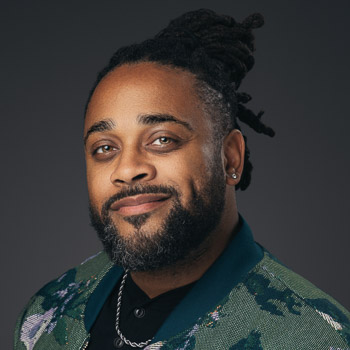
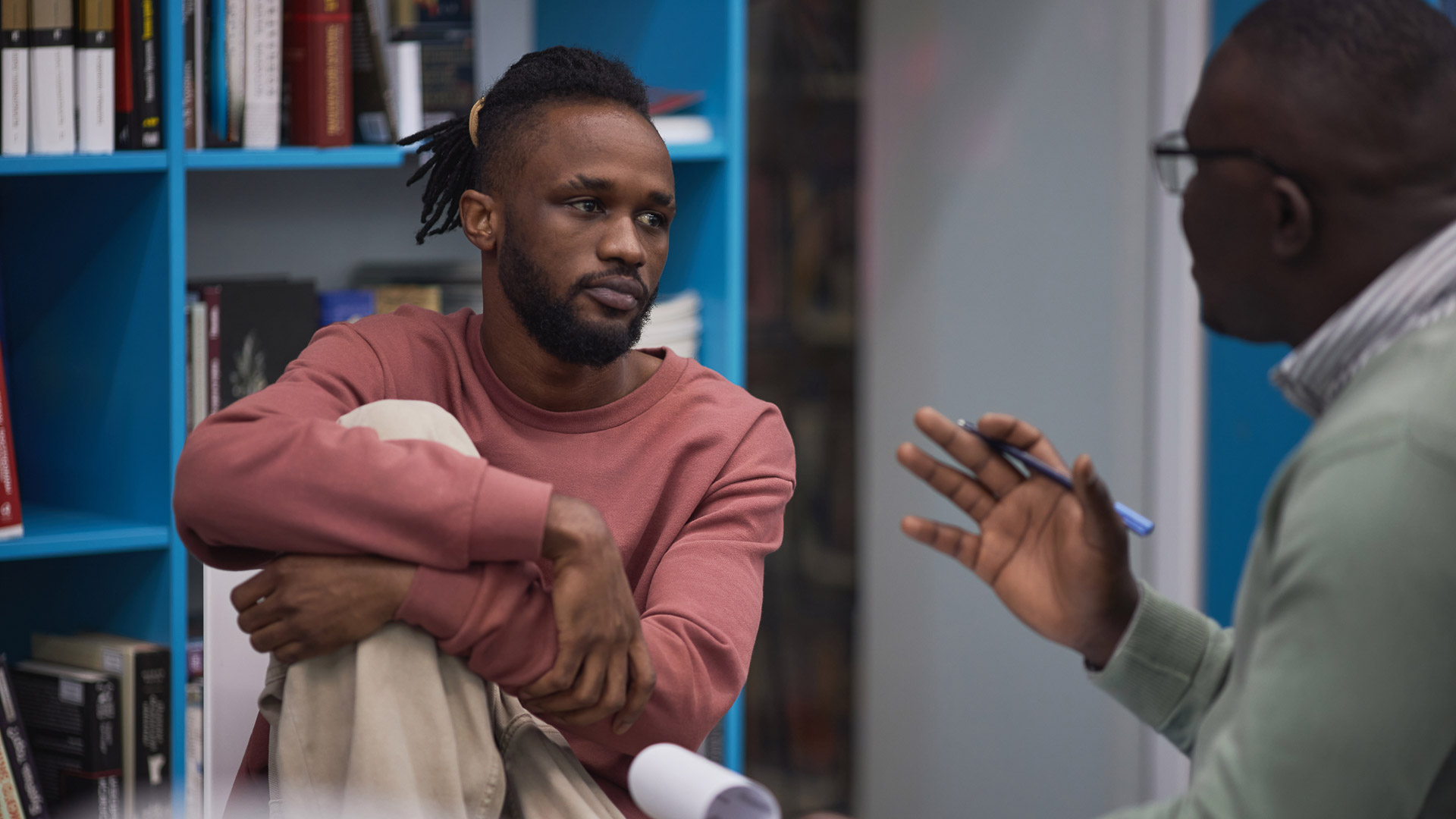
Finding a therapist who truly understands your lived experience can make all the difference in whether mental health support feels healing or harmful. But for many people in the Pacific Northwest and beyond- especially people of color as well as those impacted by the criminal legal system- the search for a therapist who shares cultural background, identity, or worldview can feel nearly impossible. The lack of BIPOC therapists, particularly Black male therapists, isn’t just an inconvenience, it’s a barrier that quietly shapes who feels welcome in mental health spaces and who doesn’t.
The numbers themselves tell a stark story. Washington State’s population is increasingly diverse, yet its behavioral health workforce remains overwhelmingly white. Black therapists represent only a small fraction of providers, and Black male therapists make up an even smaller percentage. For BIPOC community members seeking therapy, this mismatch often leads to long waitlists, limited options, or the feeling of having to settle for a provider who may not fully understand their cultural or personal reality.
This matters because representation isn’t just about comfort- it’s about safety, trust, and effective care. For many people of color, therapy isn’t just a clinical experience, it’s a deeply personal one. Clients bring their histories, their identities, and their experiences with racism, discrimination, or harm from institutions. Without cultural insight, these conversations can become exhausting. Clients often end up teaching their therapists about their experiences rather than focusing on their healing.
For people reentering society after incarceration, the challenge is even sharper. Many have lived through trauma directly connected to systems of power, policing, surveillance, and punishment. Working with a therapist who does not understand these dynamics- or who unintentionally reinforces them- can create a disconnect that closes the door to meaningful support.
The shortage of BIPOC therapists also contributes to mistrust. Some individuals already fear that therapy won’t reflect them, won’t protect their stories, or won’t honor their culture. When they look for a provider and find few or no matches, the search itself becomes a message: mental health spaces weren’t built with them in mind.
Still, the need for connection and healing remains. Many people are willing to try therapy, but the system is not prepared to meet them halfway. This gap leaves too many people carrying their pain alone, believing that therapy “isn’t for them,” or feeling discouraged before they even begin.
Intentionally curating networks of therapists of color is essential, but so is acknowledging this barrier openly. Understanding the challenge helps people feel less alone and helps communities push for stronger, more equitable support systems. Healing is possible, but it starts with representation, trust, and a system built to serve everyone.
